
RESEARCH SPOTLIGHT
How a Tiny Molecule Can Prevent Excess Fat in Blood
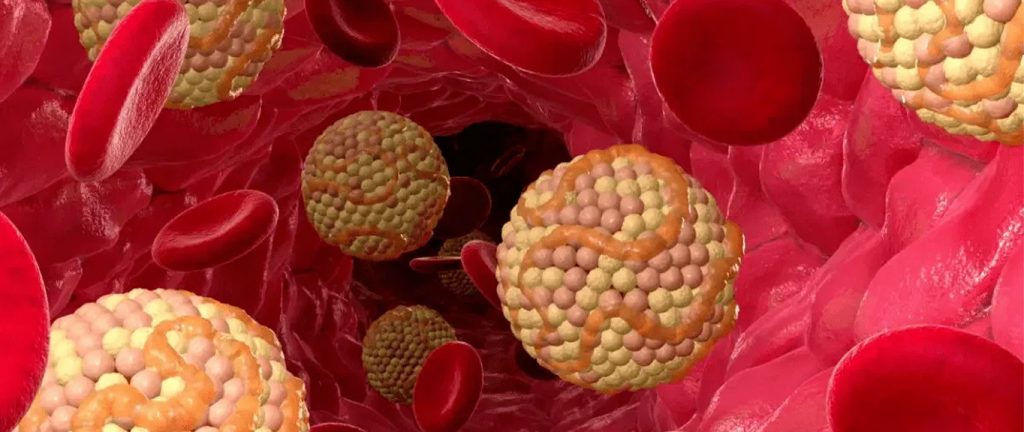
By disrupting the transport of fat inside liver cells, IIT Bombay researchers have opened a new path to tackling high cholesterol and other fat-related disorders.
Image source and for more on the story, click here: IITB HP RS1
Twist in Light Enhances Chiral Discrimination
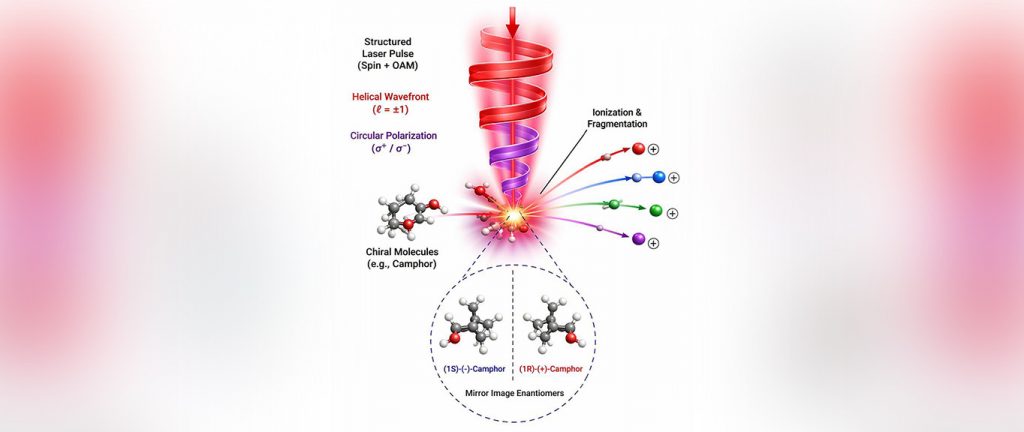
Researchers from IIT Bombay (led by Prof. Gopal Dixit, Department of Physics), the Tata Institute of Fundamental Research (TIFR), and IIT Hyderabad have developed a novel optical technique to distinguish between mirror-image molecules, known as enantiomers, using specially structured “twisted” laser light. Published in Science Advances, the study demonstrates that laser beams carrying orbital angular momentum interact differently with chiral molecules depending on their handedness.
Image source and for more on the story, click here: IITB HP RS2
Ligand-Enabled Distal Desaturative Lactonization of Aliphatic Acids
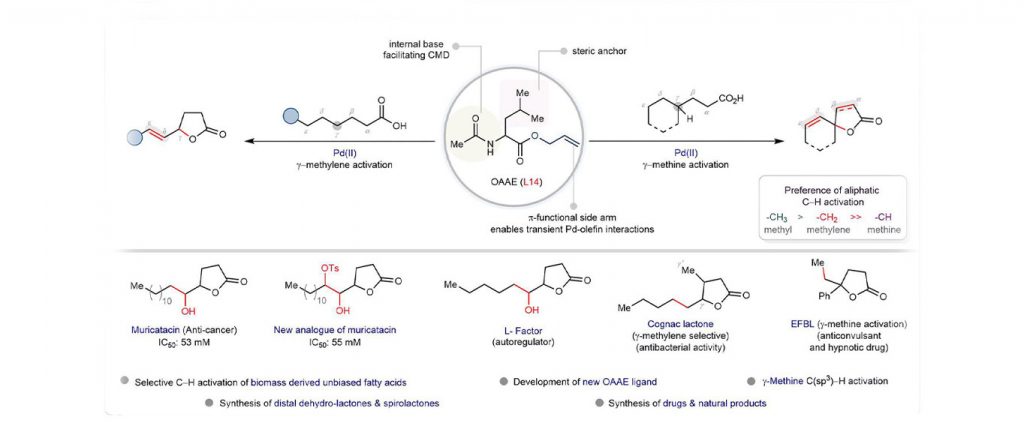
Indian scientists develop efficient strategy to convert saturated fatty acids into drug-like molecules.
Image source and for more on the story, click here: IITB HP RS3
Highlights from IRCC’s RISE@IITB (Manufacturing Issue)
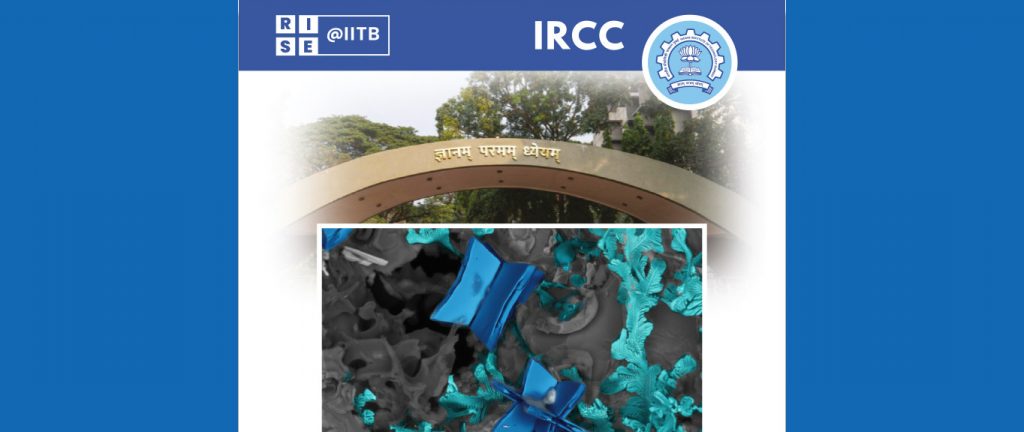
The following two research highlights are drawn from the latest issue of RISE@IITB (IRCC Newsletter) on “Manufacturing”, which features a broad range of advanced research and innovation from IIT Bombay. The complete articles are available in the original newsletter, linked in the respective sections below.
Prediction of Micro/Meso-Scale Defects Using Low-Fidelity Physics-based Simulations and Machine Learning
Prof. Shyamprasad Karagadde, Dept. of Mechanical Engineering
This work presents a physics-informed machine learning framework to predict micro- and meso-scale defects in manufacturing processes. By combining low-fidelity simulations with a transfer learning approach, the model links macroscopic field variables to sub-grid microstructural features, enabling the prediction of porosity location and size in high-pressure die casting. The framework further extends to estimating fatigue life, demonstrating a powerful pathway toward data-driven, physics-aware manufacturing design.
Modern Tools for the Assessment and Control of Impurities in Steel
Prof. Deepoo Kumar, Dept. of Metallurgical Engineering and Materials Science
This article outlines advanced experimental and computational tools for analysing and controlling impurities in steel. Using automated SEM-EDS analysis, high-temperature confocal microscopy, and thermodynamic modelling, the study enables statistical characterisation of non-metallic inclusions and their evolution during processing. The insights support precise control of microstructure and impurity levels, improving the quality and performance of high-grade steels and alloys used in modern manufacturing.
Image source and for more on the research articles, click here: RISE NL